The heat arrives before the view does. Step out of the plane at Jacksons International Airport and the air is warm, dry and bright. Beyond the runway, brown hills rise behind Port Moresby. For a traveller who has crossed 73 countries, it is rare for a place to feel genuinely unfamiliar. Papua New Guinea did.
I first came here on a business visa. I stayed, and today I work for a sport fishing and charter company in Port Moresby. This guide covers what I learned about getting in and settling down, written for visitors of every nationality.
How I ended up here
My road to Papua New Guinea ran through three very different countries. I spent years working in Saudi Arabia, and I remain grateful for what the Kingdom taught me. I lived and worked in Spain. Then I returned to the Philippines, my father’s home country, where I became a senior executive at an information technology company and built my own travel business, Los Viajeros PH.
Travel was always the thread. When a business trip brought me to Port Moresby, I expected a short visit. Instead, I found a country I wanted to understand from the inside.

Papua New Guinea visas: the options
Almost every foreign visitor needs permission to enter Papua New Guinea. Visas are issued by the Immigration and Citizenship Authority (ICA), and most are now applied for online through its official eVisa portal. Your passport must be valid for at least six months from arrival.
- Visa on arrival. Citizens of a set list of countries can get a visitor visa on landing in Port Moresby, usually for up to 60 days. The list was widened in 2025 and changed again in 2026, so check that your nationality is on the current list before you fly.
- Easy Visitor Permit and tourist visa. Travellers from other countries apply online before travelling. Tourist visas are typically single entry, for stays of up to 60 days, and do not allow paid work.
- Business visa. For meetings, site visits and trade, not for taking a job. It comes as single or multiple entry, and you will usually need a letter from your business contact in Papua New Guinea. This is how I first entered.
- Employment (working resident) visa. For anyone taking a job. Your employer first obtains a work permit from the Department of Labour and Industrial Relations. Only then does the visa application go to ICA. Expect medical checks, including a chest X-ray and HIV test, and a police clearance from your home country.
- APEC Business Travel Card. Holders whose card carries the PNG code can make business visits of up to 60 days without a separate visa.
A business visa does not let you start work. When I decided to stay, my employer began the formal process: work permit first, then the employment visa. Official processing takes about three weeks at each department, but missing documents can add much longer, so start early.
Why foreign workers are hired here
Papua New Guinea’s economy is growing faster than its pool of specialist skills, and many companies hire foreign professionals to fill the gap. The deal is clear: expatriates are expected to pass their skills on. Papua New Guinea’s Labour Minister has said that non-citizen workers must train a local within three years, or their work permits will not be renewed. For me, that is the most rewarding part of the job.
Arriving at Jacksons International Airport
Jacksons International Airport (POM) is Papua New Guinea’s main gateway, a short drive from central Port Moresby. Have your printed visa approval, return or onward ticket, and accommodation details ready for the immigration officer. Customs officers are strict about food, plants and animal products, so declare anything you are unsure about.
Before you walk out of the terminal, look for the Digicel and Vodafone counters. They hand out SIM cards to arriving passengers for free, so you can be connected before you leave the airport. Bring your passport to register the SIM.
| Currency | Papua New Guinean kina (PGK). Carry some cash; cards work in hotels and larger shops. |
| SIM card | Free from the Digicel and Vodafone counters inside the airport, before the exit. Buy data credit once you are set up. |
| Getting to town | Arrange a hotel or company pickup before you land rather than hailing a ride outside. |
| Climate | Hot, with days around 30 to 32°C, but drier than most of the country. The rains come from December to March. |
| Electricity | Scheduled power cuts are common. Hotels and most offices run generators. |
| Languages | English, Tok Pisin and Hiri Motu are official. A few words of Tok Pisin go a long way. |
My honest first impressions
I will be honest: Papua New Guinea scared me before I arrived. I had read the travel warnings, and part of me was convinced I would be kidnapped the moment I left the airport. It sounds foolish now, but the fear was real, and many first-time visitors feel the same way. Port Moresby does have areas best avoided, especially on foot after dark, so most expatriates move by arranged transport. That is good sense, not paranoia.
The heat surprised me less than I expected. Port Moresby sits in a rain shadow and gets less than 1,300 millimetres of rain a year, far less than the highlands. It is hot, but it is not the heavy, sticky humidity I knew from Manila. For me, it is tolerable.
The power cuts took longer to get used to. Port Moresby’s grid depends partly on hydroelectric dams, and when rainfall drops, PNG Power rations electricity through scheduled load shedding. In 2026, El Niño conditions lowered the water at Sirinumu Dam and cuts of up to four hours became routine. Charge your devices whenever you can, and keep a power bank close.
Then there are the people. Papua New Guinea is home to more than 800 languages, and that diversity is felt in every market, office and conversation. Greetings matter here. Relationships matter more than schedules. Coming from fast-moving corporate life, I had to relearn patience, and I am better for it.
A first escape: Port Moresby Nature Park
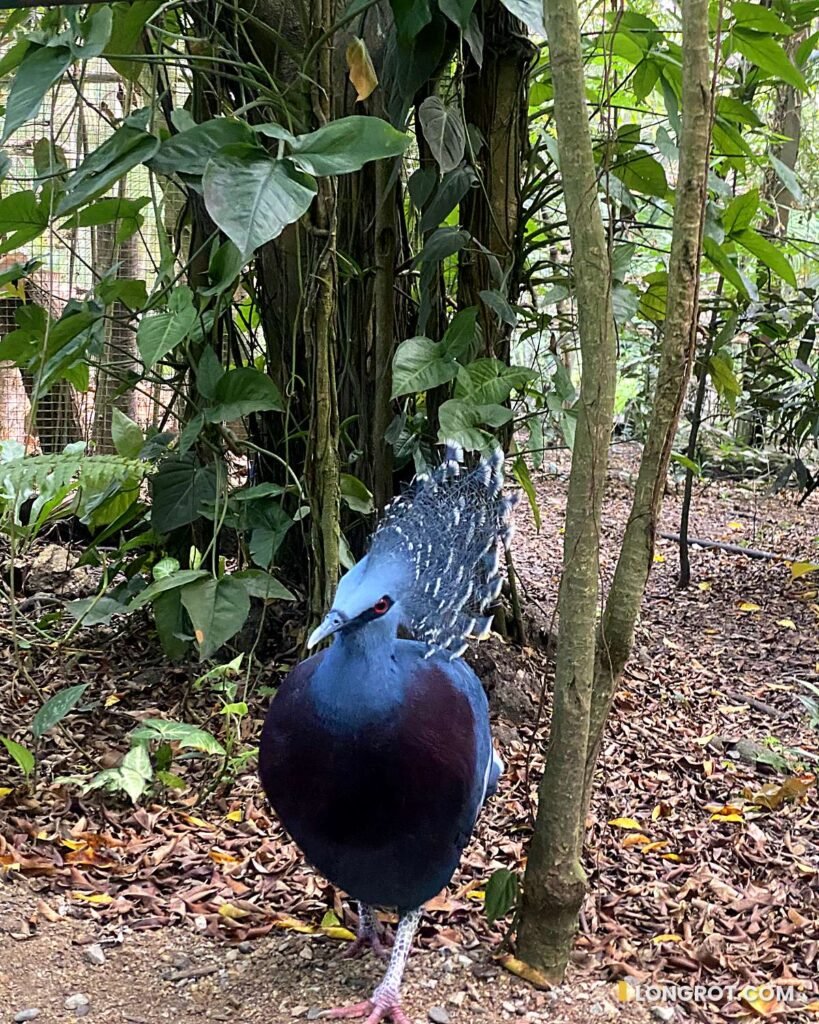
If you have one free afternoon, spend it at Port Moresby Nature Park in Waigani, beside the University of Papua New Guinea. More than two kilometres of walkways wind through the canopy, past tree kangaroos, cassowaries and hornbills. Its aviary holds birds of paradise, the national symbol you will see on Papua New Guinea’s flag. It was where the country first felt welcoming to me.
Meeting the ancestors: the National Museum and Art Gallery
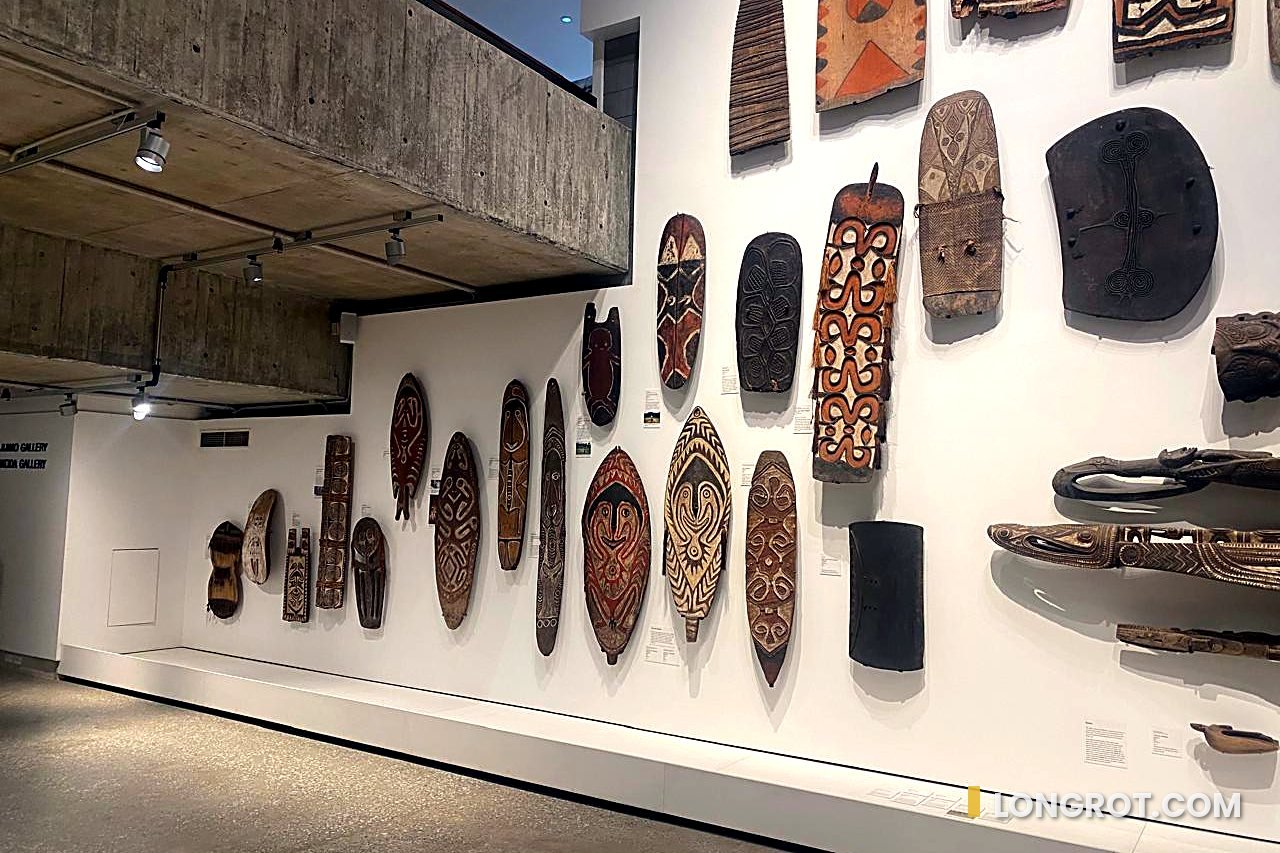
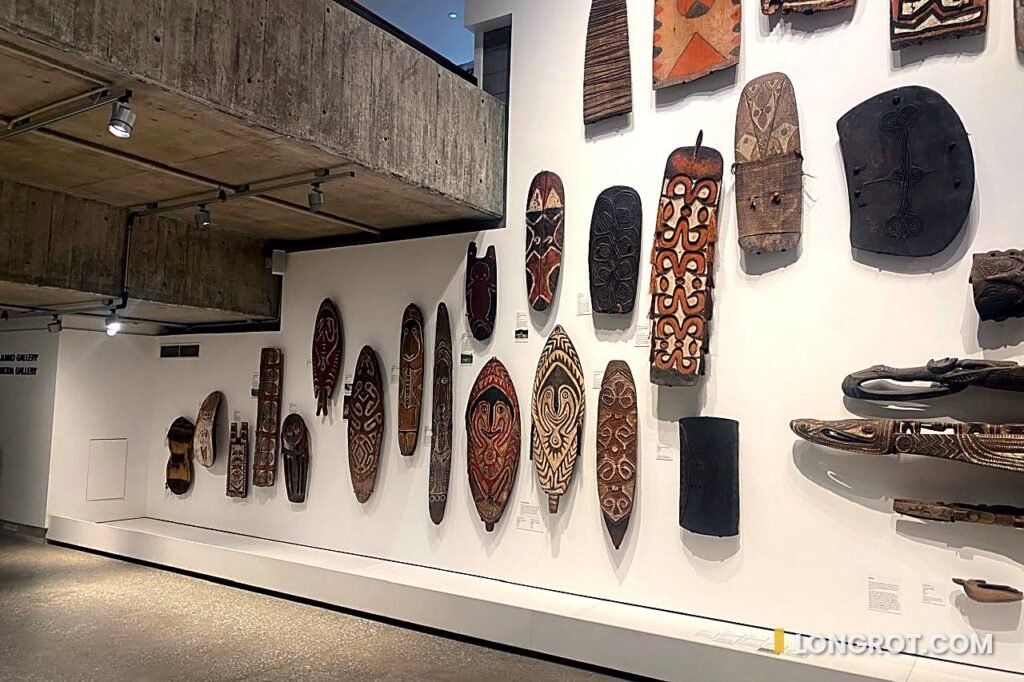
A short drive away, also in Waigani, the National Museum and Art Gallery holds more than 50,000 objects from every corner of the country. Its galleries call it a haus tumbuna, a house for the ancestors. Walls of carved and painted shields, towering ancestor figures and a Second World War gallery made more sense of Papua New Guinea in one morning than weeks of reading had.
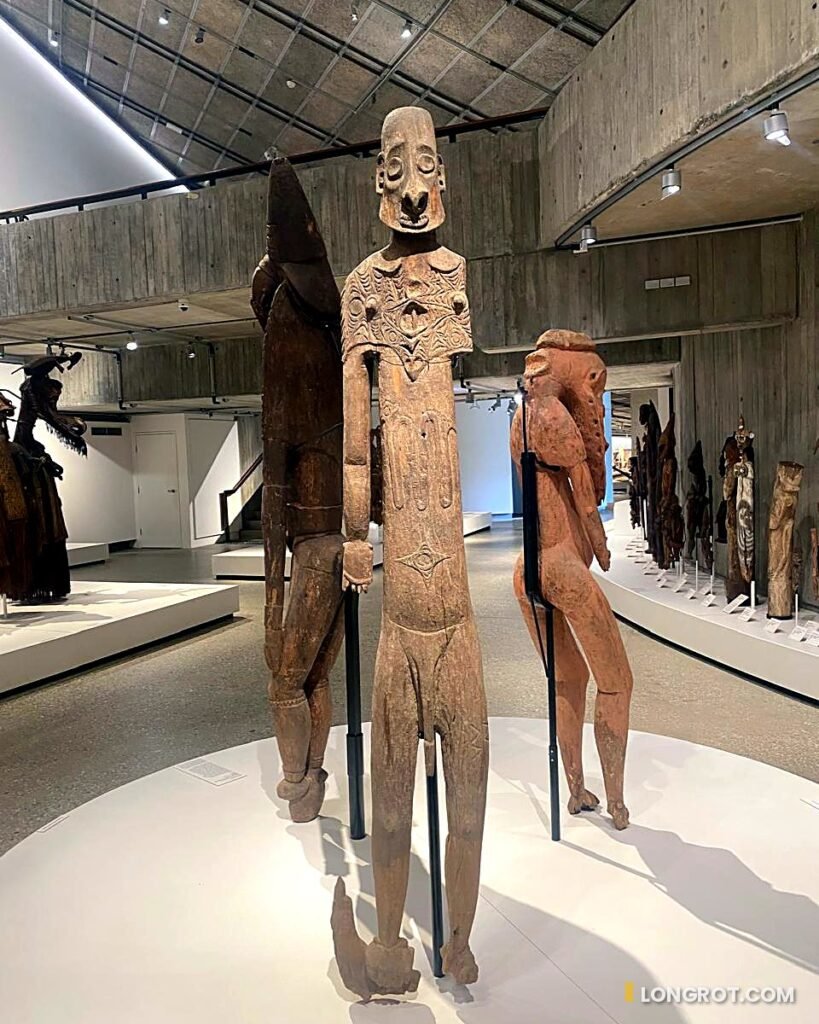
My honest verdict after years on the road: Papua New Guinea is not an easy destination, and it is not trying to be. Travel is expensive, logistics take planning and things rarely run on time. But the reward is a country that has not been smoothed over for tourists, with reefs, highlands and cultures you will not find anywhere else on Earth.
Frequently asked questions
Do I need a visa for Papua New Guinea?
Almost all visitors do. Some nationalities can get a visa on arrival in Port Moresby; others must apply online through the official ICA eVisa portal before travelling.
Can I work in Papua New Guinea on a business or tourist visa?
No. Paid work needs a work permit from the Department of Labour and Industrial Relations and an employment visa from ICA, arranged through your employer.
Can I get a SIM card at Port Moresby airport?
Yes. Digicel and Vodafone counters inside Jacksons International Airport give SIM cards to arriving passengers for free, before the exit. Bring your passport to register it.
Is Port Moresby humid?
Less than most of Papua New Guinea. It is hot year round, around 30 to 32°C by day, but much drier, with most rain falling from December to March.
How long does a Papua New Guinea work permit take?
Each department aims to process applications in about 15 working days, roughly six weeks in total, though incomplete paperwork often adds delays.
Visa rules change often. Always confirm the current requirements on the official ICA eVisa portal or with your nearest Papua New Guinea embassy before you travel.
Sources: ICA Papua New Guinea eVisa portal · Wikipedia: Visa policy of Papua New Guinea · Business Advantage PNG: Work visas · Loop PNG: Non-citizens required to train a local · The National: PPL carries out load shedding · Britannica: Climate of Papua New Guinea · Lonely Planet: Port Moresby Nature Park